THEY ARRIVED GUARDED
What customers expected, feared and were protecting themselves from.


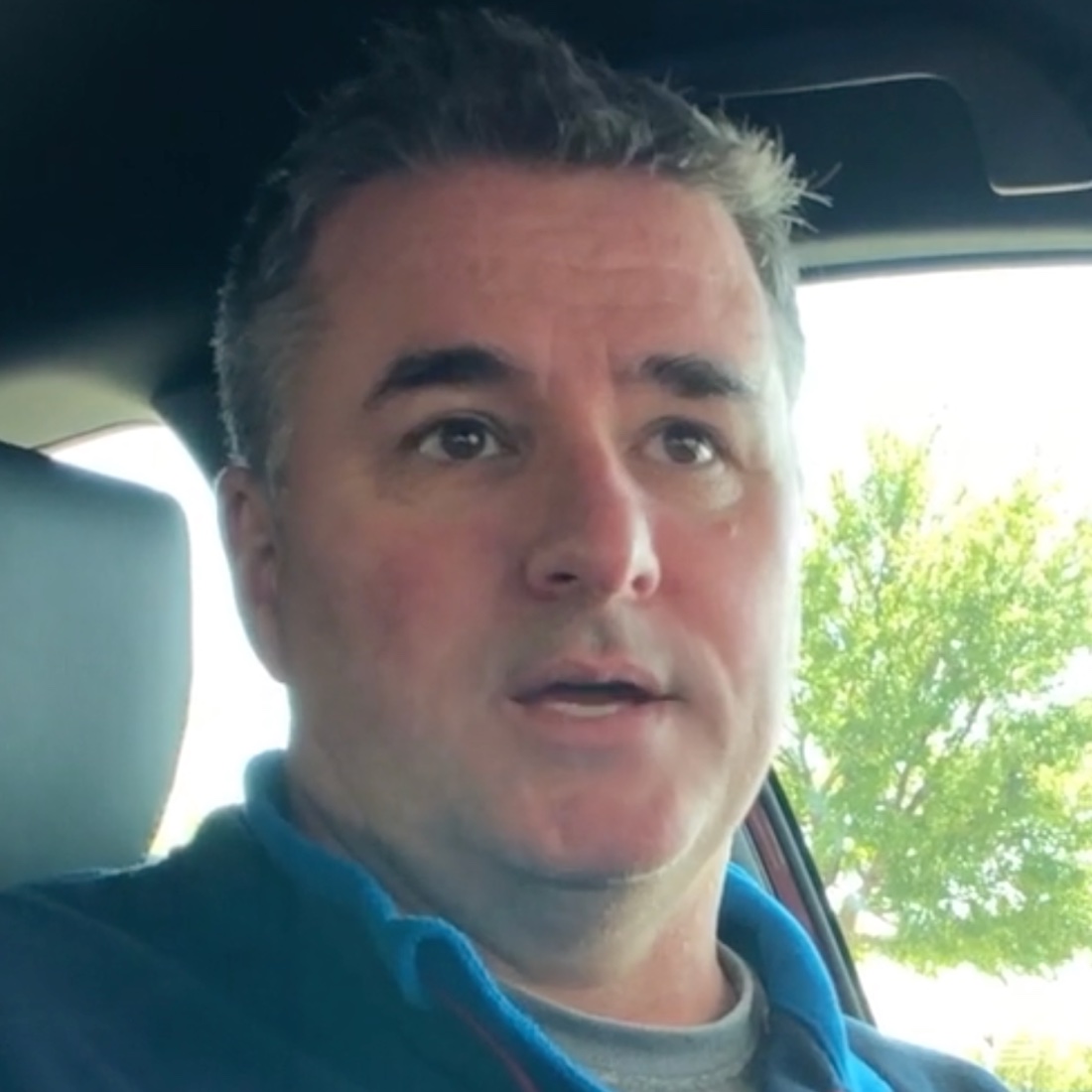


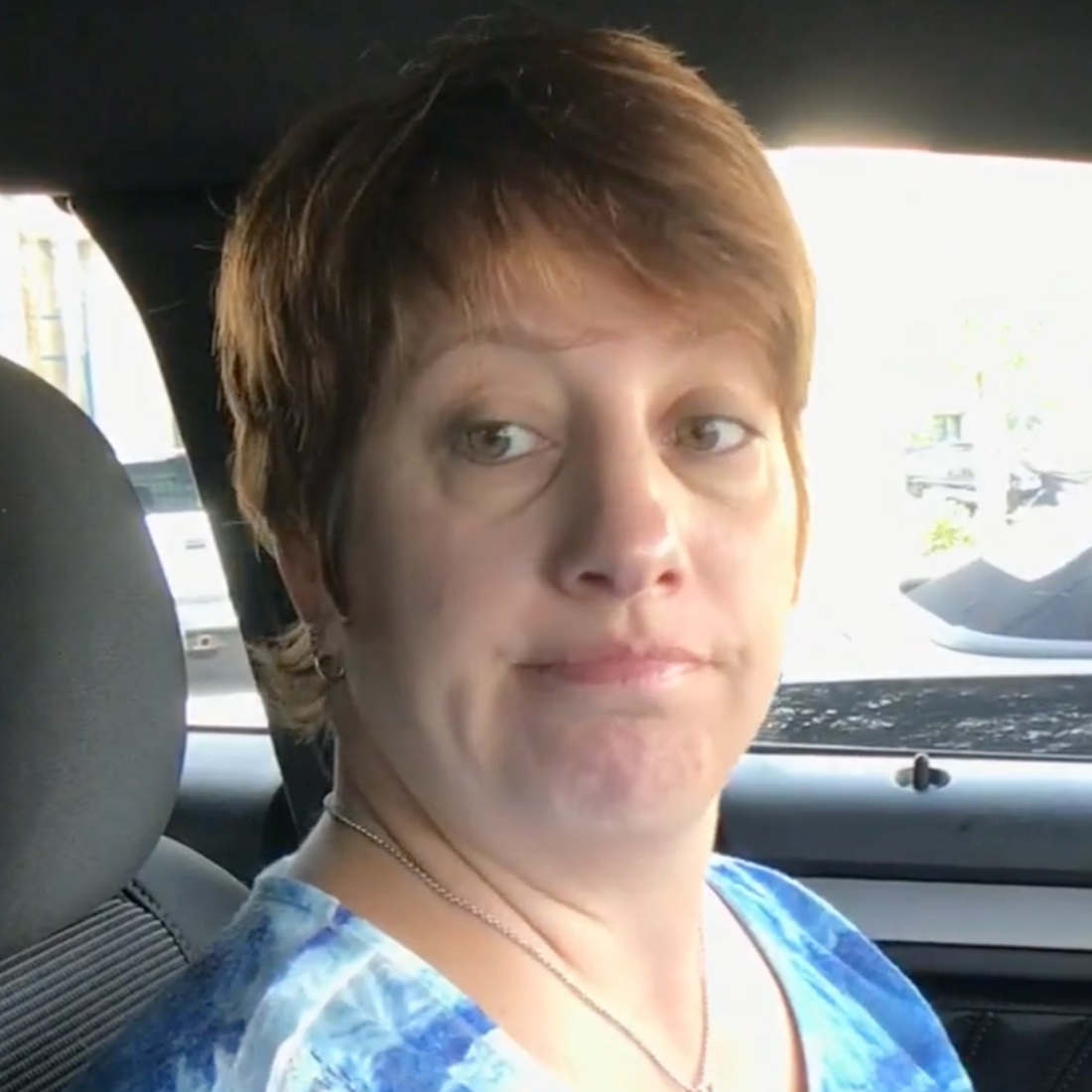
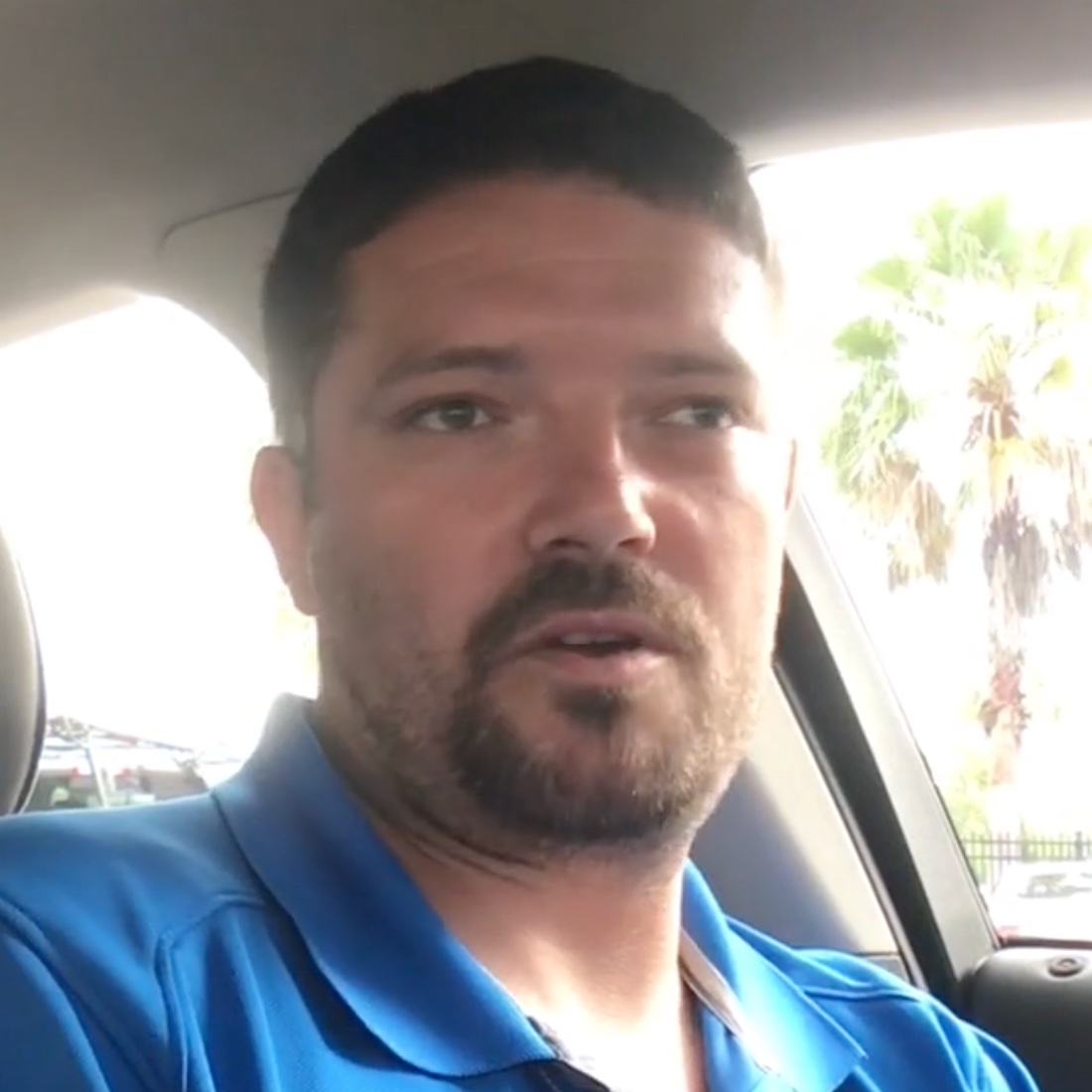



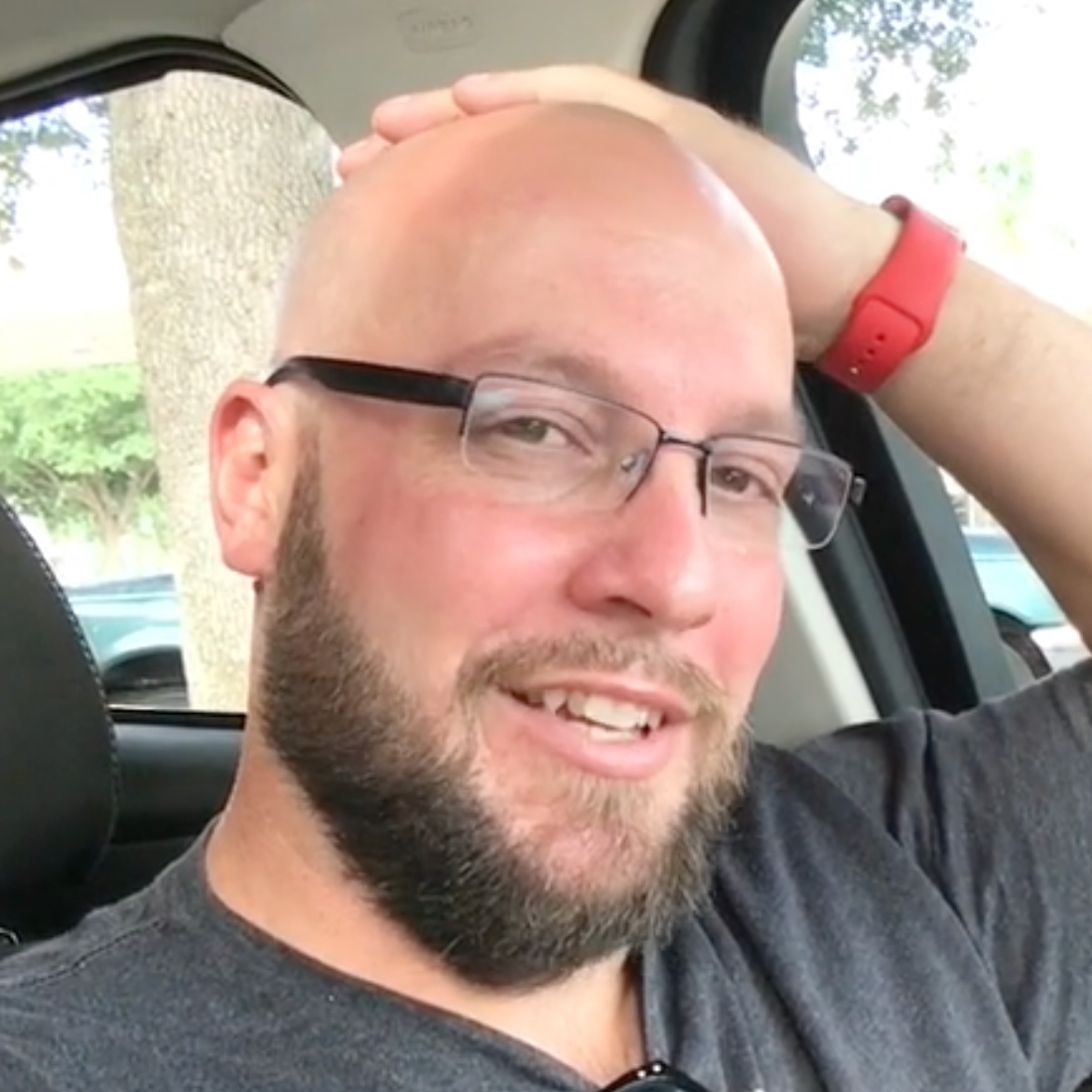

Hear the customers1:15
But Does Yours Know How They're Created?
Customers For Life create continuing opportunities for service, repeat purchases, and referrals. But your management systems cannot tell you how a typical shopper became a Customer For Life—or how to improve the conditions that make those Relationships possible.
Confidence Economics went to the customers themselves to find out.
The Executive Brief — 3-Minute ReadPictured — Lithia Chrysler Jeep Dodge, Medford, Oregon. Where the discovery began.
What customers expected, feared and were protecting themselves from.
What customers experienced when Confidence formed and an expected Adversary was discovered as an Ally.


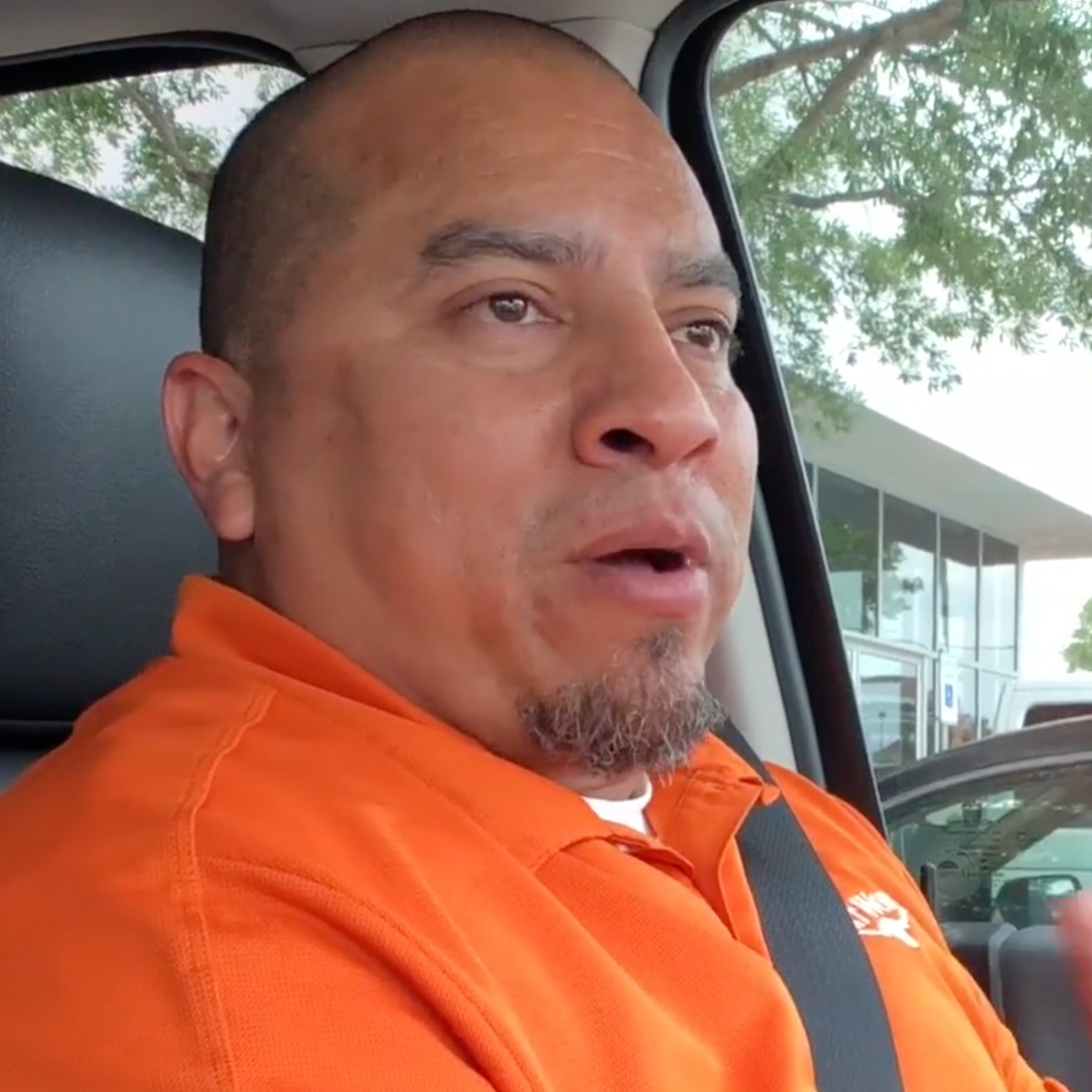
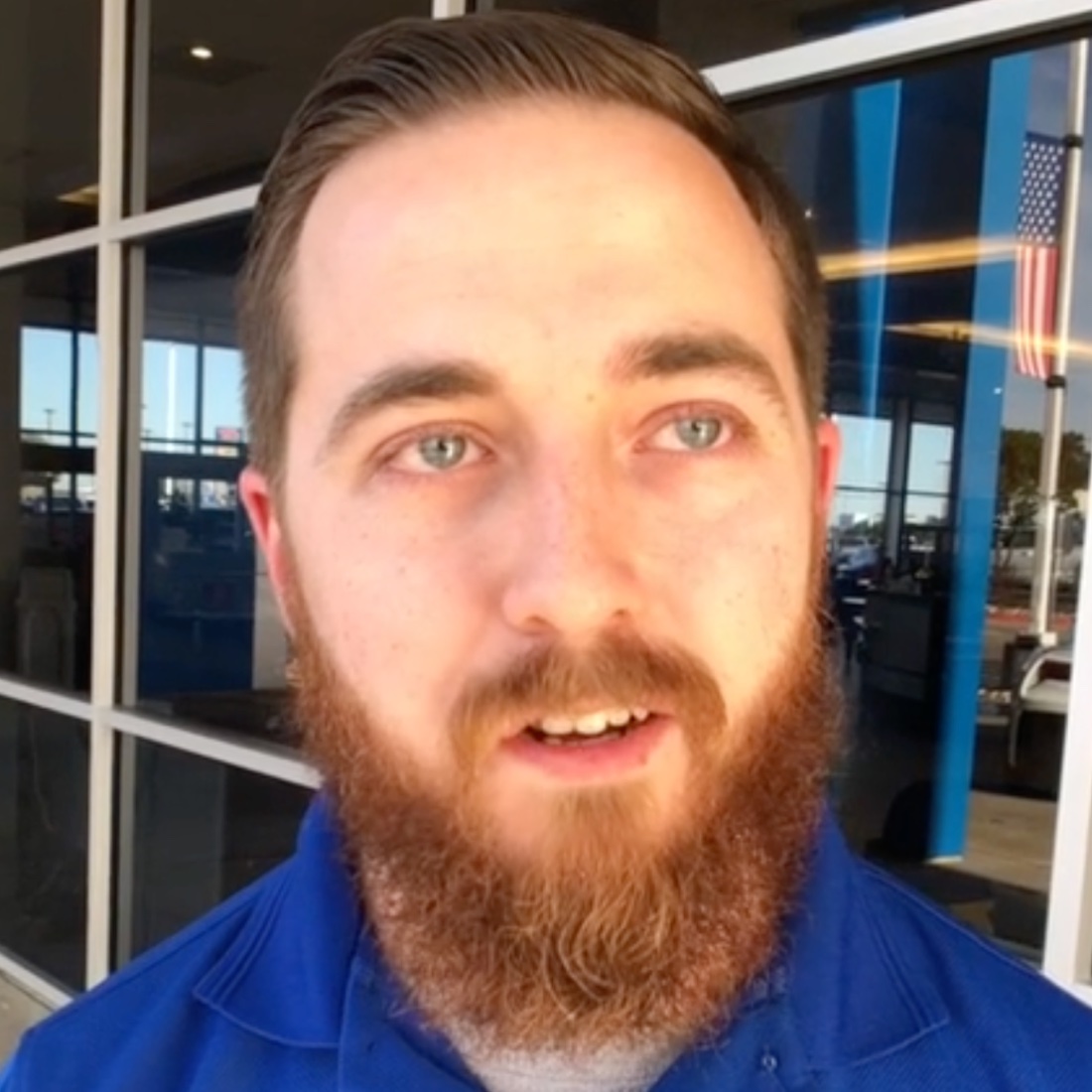
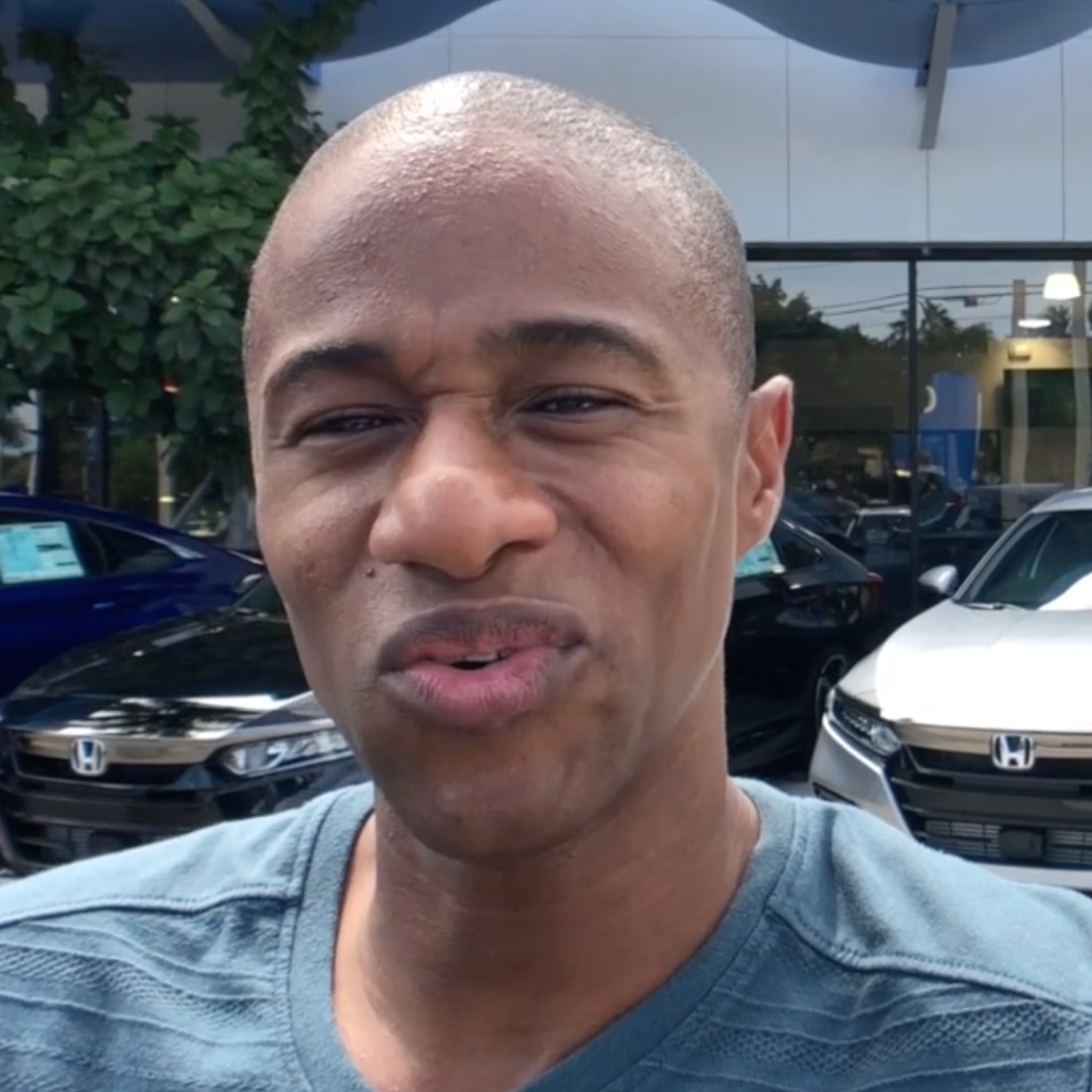
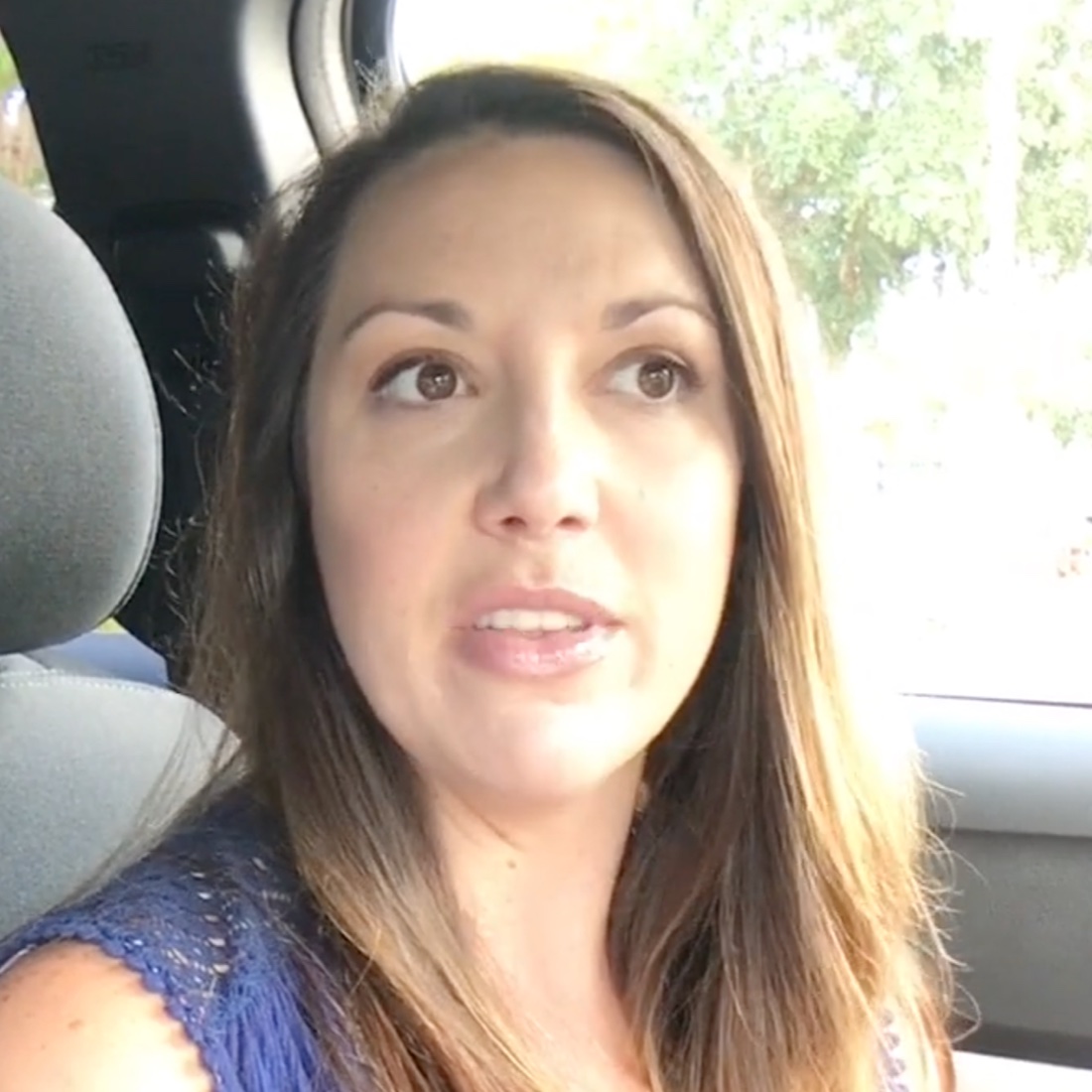





The transaction records the outcome.
The customers reveal what happened in between.
So what can the enterprise learn from the people who experienced the Missing Middle? Customers whose Relationships formed can reveal the Human Mechanism that contributed to success—how Behavior became Evidence, Suspicion gave way to Confidence, Help became acceptable, and an expected Adversary became an Ally. When an interaction breaks, a Confidence Debrief can preserve what happened before the opportunity disappeared.
The customers above show two very different possibilities inside the same kind of transaction. A Guarded shopper can discover an Ally. Confidence can form. A transaction can become a valuable Relationship the customer wants to keep. Or the opportunity can disappear.
Management sees the activity around these encounters and the economic outcomes that follow. But without evidence from the Missing Middle, it cannot fully see what created the opportunity—or what caused an opportunity to disappear.
A customer can leave with both a vehicle and a Relationship. The transaction appears immediately. The future economic value of the Relationship does not.
On the other side are opportunities that may never happen: the sale, the be-back, the service Relationship, the repeat purchase, the referral—or the Relationship itself.
The enterprise may create a Customer For Life without learning how it happened—or lose an economic opportunity without learning why.
Without capturing the evidence, no CRM, DMS, accounting system or AI model can recover what the enterprise never learned.
The next service visit hasn’t happened yet. The repeat purchase hasn’t happened yet. The referral hasn’t been made yet. The referred customer hasn’t purchased yet.
Success without learning limits more success.
Loss without learning allows loss to repeat.
The Missing Middle creates an economic blind spot and an intelligence blind spot.
For more than a decade, customers were interviewed after their vehicle purchases about what they expected, feared, noticed, experienced and valued.
Every customer in the structured corpus had reached a Relationship strong enough that something reciprocal survived the original transaction.
We knew what these customers did. The question was: How did they become those customers?
Rather than beginning with a theory about what salespeople should do, Confidence Economics followed the customers’ accounts backward.
The customers revealed a human mechanism operating inside the Missing Middle.
The shopper may arrive Guarded—carrying Negative Expectations about pressure, negotiation, hidden numbers, being misled or making a costly mistake.
Throughout the encounter, she is interpreting what happens and running her own Invisible Tests: Listening · Intent · Competence · Safety. The tests belong to the shopper. They are not a checklist for the salesperson to perform.
Meaning belongs to the customer. What she concludes can increase Suspicion or build Confidence.
The shopper is solving two problems at once.
What is the best choice for me?
Is your Help serving my best interests?
As Confidence forms, an expected Adversary can become an Ally. The salesperson’s expertise becomes more usable while the Decision remains the customer’s.
An Ally can become a valuable Relationship the customer wants to keep.
It is how Customers For Life begin.
The transaction produces Transactional Revenue. But something else may have formed during the same encounter: a continuing Relationship.
That Relationship can contain economic potential before another economic event occurs. Confidence Economics calls that Relationship Capital.
Relationship Capital is potential.
Durable Revenue is realized.
Relationship Capital is not booked revenue and it is not predicted lifetime value. Future events still have to happen.
When revenue later results through the continuing Relationship, that observable economic activity becomes Durable Revenue.
Transactional Revenue must be won again.
Durable Revenue can come back.
Those Relationships can produce Customers For Life—and Durable Revenue that contributes to stronger same-store sales and margins.
She can teach the enterprise how the Relationship was created.
When a valuable Relationship forms, a structured Customer Interview preserves what she experienced, what it meant to her and what changed. What she reveals becomes Customer Evidence.
When an interaction breaks, a Confidence Debrief can preserve what happened before the opportunity disappeared.
creates continuing economic opportunity.
creates continuing learning opportunity.
Every Customer For Life Relationship that forms without the enterprise learning why is a success it may not know how to repeat.
Before the salesperson says a word, the enterprise has already created potential Evidence through its reputation, advertising, website, inventory, pricing, offers and policies. During the transaction, the Evidence Environment expands through technology, processes, managers, F&I, AI and the salesperson.
Any of them can become Evidence. Meaning still belongs to the customer.
The Human Encounter is nested inside the larger Enterprise Encounter. The Missing Middle has an enterprise structure. Confidence Economics calls it the Human Operating Layer.
What it did → What the customer experienced → What the customer did → What happened economically
Put that learning back to work through people, processes, systems and AI. Across encounters, Customer Evidence can accumulate into proprietary Enterprise Intelligence—increasing the organization’s capacity to recognize and genuinely respond to what is happening in future customer encounters.
It also inherits what the enterprise never learned.
Customer Evidence can give AI access to something different from general knowledge, inventory or process data: what your own customers have taught your enterprise.
AI interactions can also become another source of evidence. Successful interactions leave evidence. Abandoned interactions leave evidence. Recovered interactions leave evidence. The enterprise can examine what customers asked, resisted and revealed—and what happened immediately before they continued or left.
AI can become both a user of Enterprise Intelligence and another source of evidence for it.
But AI cannot recover Customer Evidence the enterprise never captured. It cannot turn absent Evidence into organizational memory.
What does your enterprise actually know about the human journey it is automating?
The Missing Middle connects what happens to the customer with what can happen next—for both the Relationship and the enterprise.
The question is: Do you want more?
Then start by learning from the ones you already have.
Your systems can tell you what they did.
They cannot tell you how they became Customers For Life.
Your customers can.
What Your Systems Can’t See Is Hiding What You’re Losing—And What You Could Be Earning
For the complete argument, evidence, qualifications and architecture, read the book.

